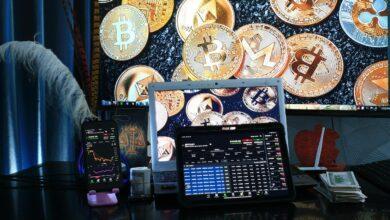
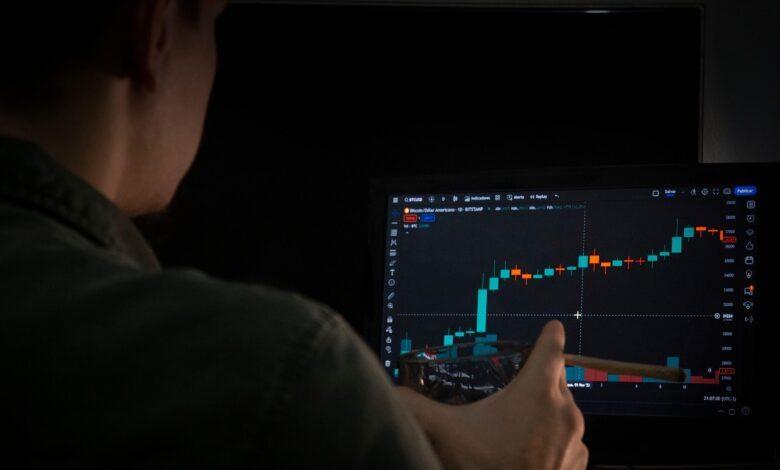
Your first decision in crypto mining is choosing a method, and for most novices, cloud mining services offer the lowest barrier to entry. Instead of sourcing loud, power-hungry hardware, you rent processing power from a company. This approach eliminates concerns about electricity costs, which can consume over 60% of a solo miner’s profit in the UK. While you sacrifice some potential upside, you gain a controlled, predictable entry point to understand the mechanics of how new digital currency is created and validated.
Moving beyond the basics, the most common hardware-based technique is GPU mining. This method uses graphics cards, which provide a flexible balance between power and the ability to mine different cryptocurrencies. A single rig with six NVIDIA RTX 3070 cards, for instance, can generate a measurable, though modest, daily return. The real value for a beginner lies in the hands-on education; you learn about wallet security, blockchain confirmations, and the direct correlation between hardware investment, energy consumption, and potential reward.
The ultimate goal for any serious miner often involves joining a mining pool. Solo mining a currency like Bitcoin is now a statistical improbability for individuals. Pools combine the hashing power of thousands of participants, distributing rewards based on contributed work. Analysing pool statistics–like their total hash rate and fee structure–becomes a critical, data-driven skill. This collaborative method transforms mining from a lottery ticket into a more consistent, albeit shared, revenue stream, providing a practical foundation in the economics of this digital asset class.
Cryptocurrency Mining for Novices
Begin with a mining calculator; input your hardware’s hash rate and local electricity cost in pence per kWh. A rig with six GPUs, for example, might generate 300 MH/s on the Ethereum network but consume 1200 watts. At a UK electricity price of 34p per kWh, this setup costs about £4.08 daily to run. If the network rewards 0.002 ETH per day, profitability hinges entirely on the GBP/ETH exchange rate. This data-driven analysis separates hope from a viable plan before you spend a single pound.
Selecting Your First Mining Operation
Your choice of mining methods defines your entry point. Solo mining a digital currency like Bitcoin is now impractical for a beginner; the computational power required is immense. Instead, focus on pool mining, where you contribute hashing power to a collective group. You receive smaller, but regular, payouts proportional to your contribution. Another accessible technique is cloud mining, where you rent hashing power from a large company. While it requires no hardware setup, scrutinise the contract–many have hidden fees that erase profits. For most novices, a small GPU pool offers the best introduction to the mechanics of crypto generation.
Beyond hardware, your mining guide must include wallet security. The cryptocurrency you mine is a digital asset that requires a secure, private wallet you control–not just an exchange account. Think of it as the difference between holding cash and having a bank statement; one is a tangible asset, the other is a promise. For a novice, a hardware wallet like a Ledger or Trezor provides robust security for long-term storage, isolating your new currency from online threats.
Choosing Your Mining Hardware
For a beginner, the decision rests on three hardware paths: CPU, GPU, or ASIC. Your budget and target cryptocurrency dictate the choice. CPU mining, using your computer’s processor, is largely obsolete for major digital currencies like Bitcoin. It serves as a practical introduction to the basics of how mining functions, but is only viable for a few, select crypto projects that resist specialised hardware.
GPU mining, utilising graphics cards, offers a flexible middle ground. A rig built with multiple GPUs, such as NVIDIA’s RTX 3070 or AMD’s RX 6800, can mine various cryptocurrencies. This method allows you to switch between different coins as profitability shifts. Initial setup costs range from £2,000 to £5,000 for a competent multi-card rig, excluding persistent electricity costs which can exceed £150 monthly.
- ASIC Miners: Application-Specific Integrated Circuits are powerful machines designed to mine a single cryptocurrency algorithm. The Bitmain Antminer S19 XP (140 TH/s) dominates Bitcoin mining.
- GPU Rigs: A system with 6-8 graphics cards. It provides adaptability, letting you mine Ethereum Classic or Ravencoin if one becomes more profitable.
- CPU Mining: Only consider this with a high-end processor like an AMD Ryzen 9 7950X and even then, only for coins like Monero.
Your electricity rate is the critical data point. Calculate it in pence per kilowatt-hour (p/kWh). An ASIC miner consuming 3000 watts at a UK average of 34p/kWh costs approximately £734 per month to run. Before any coin is earned, this cost must be covered. Profitability calculators from sites like WhatToMine or CryptoCompare provide data-driven projections based on your hardware, power cost, and current network difficulty.
The final consideration is resale value and noise. ASICs become obsolete quickly and are loud industrial appliances, unsuitable for a home. GPUs hold residual value for gaming or resale, and with proper cooling, operate more quietly. This guide to hardware selection prioritises long-term viability over immediate hash rate; a slightly less powerful but efficient and adaptable GPU system often outperforms a costly, inflexible ASIC for a newcomer to crypto mining.
Installing Mining Software
Download your mining software directly from the developer’s GitHub repository or official website to avoid malicious code. For Ethereum Classic, use a client like Geth; for Zcash, Zcashd is standard. This direct approach ensures you get the authentic tool required to interact with the blockchain.
Configuration is Key
Edit the software’s configuration file, typically a .bat or .conf file, with your digital currency wallet address and mining pool details. A mistake here sends all your earned cryptocurrency into the void. For a pool like Ethermine, your command line should include your wallet and the pool’s server address, for example: -epool eu1.ethermine.org:4444 -ewal 0xYourWalletAddress.
Run the software as an administrator to prevent system permission conflicts. Monitor the initial output in the command window; a successful connection displays accepted shares from the pool. This immediate feedback confirms your setup is operational and you are contributing to the mining process.
Joining a Mining Pool
Select a mining pool based on its fee structure, payout scheme, and server location. Pools like Slush Pool, F2Pool, and Ethermine are established options. Fees typically range from 1% to 3% of your earnings. The payout method is critical; ‘Pay-Per-Share’ (PPS) offers immediate payment for each valid share you submit, while ‘Proportional’ systems pay you from the actual block reward when it is found, which is less consistent but can be more profitable during lucky streaks.
Configure your mining software to connect to the pool’s server. This involves editing the start-up file or configuration script with the pool’s URL, your wallet address, and a worker name. For example, a command might look like: `cgminer -o stratum+tcp://pool.virtualcoin.com:3333 -u YOUR_WALLET_ADDRESS.WORKER1 -p worker_password`. This setup directs your hardware’s computational power to the collective effort of the pool.
Your contribution is measured in ‘shares’. A share is a valid cryptographic proof of work your hardware submits. The pool sets a difficulty level for these shares, lower than the network difficulty, ensuring you receive frequent, small confirmations of your work. Your portion of the final block reward is calculated based on the number of shares you contributed relative to the total shares submitted by the entire pool before the block was solved.
Monitor your performance through the pool’s dashboard. These interfaces provide real-time data: your current hashrate, active workers, unpaid balance, and estimated daily earnings. For a beginner, this data is fundamental for assessing the return on your hardware investment. A sudden drop in reported hashrate often indicates a connectivity issue with the pool or a problem with your mining rig that requires immediate attention.