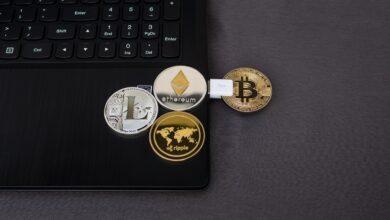

For holding anything beyond spending money, your choice is simple: cold storage. The security of an offline hardware wallet or paper seed phrase is non-negotiable for long-term asset protection. Keeping significant funds in a hot wallet connected to the internet is akin to storing cash in a public space; it’s a question of when, not if, you face a threat. This comparative guide cuts through the noise to give you the data for making a secure choice.
The core distinction lies in private key custody. Hot wallets, including mobile and browser extensions, offer clear convenience for daily transactions. Your keys are stored on an internet-connected device, granting immediate accessibility. However, this online nature is its greatest weakness, constantly exposed to remote attacks, phishing scams, and malware. The 2022 Mt. Gox and FTX collapses serve as stark reminders that you don’t control crypto held in third-party, online custody.
Cold storage options, like hardware wallets or securely generated paper wallets, keep your keys completely offline. This air-gapped security model physically separates your assets from network-based threats. While less convenient for frequent trading, this method provides the most secure custody for your capital. The pros are definitive: immunity to remote hacking and full, independent control over your private keys without reliance on any company’s servers.
Your final strategy should be a hybrid one. Allocate a small percentage to a trusted mobile hot wallet for liquidity, much like the cash in your physical wallet. The vast majority of your holdings belong in cold storage, your personal vault. This balanced approach marries the necessary security for wealth preservation with the practical accessibility needed for using crypto, giving you complete confidence in your asset management.
The Hybrid Vault: A Practical Security Model
Operate a two-tiered system: a cold storage vault for the majority of your holdings and a hot wallet for active trading. Allocate no more than 5-10% of your total crypto portfolio to a hot wallet like a mobile or online application. This strategy isolates risk; the bulk of your assets remain in offline storage, immune to online threats, while a smaller, designated amount is available for convenient access.
The core trade-off is absolute security versus daily accessibility. Cold storage, such as a hardware wallet or a paper wallet, keeps your private keys completely offline. This makes it secure against remote hacking attempts. The cons are a lack of speed; moving assets from cold storage to an exchange requires physical action and time. Hot wallets, in contrast, are software-based and connected to the internet. They offer immediate access for transactions but are inherently less secure due to their online nature.
Your choice fundamentally dictates your custody model. With hot wallets, you often rely on a third party’s security infrastructure. With cold storage, you assume full responsibility for your private keys. This self-custody is a cornerstone of crypto philosophy but demands rigorous personal security practices, like safeguarding seed phrases.
Here is a comparative breakdown for making your choice:
- Cold Storage (Hardware/Paper): Maximum security, offline private key storage, ideal for long-term holdings, slower transaction initiation.
- Hot Wallets (Mobile/Desktop/Web): High accessibility, convenient for frequent trading and DeFi interaction, higher vulnerability to online attacks.
Treat your hot wallet like a physical current account and your cold storage like a savings account. The convenience of a mobile hot wallet is undeniable for micro-transactions, but it should never hold your life savings. For any significant, long-term investment, the secure, offline environment of cold storage is the only prudent choice.
Long-Term Asset Storage
For long-term holdings, the choice is definitive: offline cold storage is the only rational option. Think of it as a high-security vault versus a cash register; your multi-year investments require the vault. Hardware wallets, a form of cold storage, keep your private keys entirely disconnected from the internet, rendering them immune to remote hacking attempts. This isolation is the core of their security. While a hot wallet’s convenience is perfect for daily spending, its constant online presence creates a persistent attack surface that is unacceptable for assets you plan to hold for years.
The Multi-Signature Imperative
Elevate your long-term strategy by implementing a multi-signature (multisig) setup. This requires multiple private keys to authorize a transaction. You could, for instance, configure a setup that needs 2 out of 3 keys, storing one on a hardware wallet at home, another on a different device in a secure location, and a third with a trusted partner. This approach eliminates any single point of failure. Even if one key is compromised, your assets remain secure. It is the ultimate form of self-custody, distributing trust and control to protect your capital against both digital threats and physical disasters.
A Practical Storage Protocol
Your protocol must address both digital and physical security. First, purchase your hardware wallet directly from the manufacturer to avoid supply chain tampering. Initialise it yourself and write down the recovery seed on the provided card, never digitally. This seed *is* your crypto; anyone with it has full control. Store this seed phrase in a fireproof and waterproof safe, or consider a cryptosteel engraving for durability. For maximum security, split the seed phrase using a Shamir Backup scheme or store halves in two separate, secure locations. This makes your long-term storage resilient to theft, fire, and flood, ensuring your assets survive any circumstance.
Daily Transaction Management
For daily spending and active trading, use a hot wallet. Mobile and online wallets provide the necessary accessibility for frequent transactions. The security model shifts from absolute protection to practical convenience, accepting a calculated risk for instant access to your funds.
Maintain a strict separation of funds: your cold storage for long-term holdings and your hot wallet as a transactional checking account. Fund your hot wallet with only the crypto you need for the immediate future–perhaps the equivalent of a few hundred pounds. This limits exposure, ensuring that even in a worst-case scenario, such as a malware attack on your mobile device, the loss is contained and manageable.
The choice between a non-custodial mobile wallet and an exchange-based custodial wallet is critical. A non-custodial wallet gives you direct control over your private keys, offering more security for the funds in your daily-use wallet. Conversely, a custodial wallet on a major exchange can offer faster transaction speeds for active traders, but you sacrifice direct custody of your assets. Weigh these pros and cons carefully; the convenience of a custodial service comes with a trade-off in personal security and control.
Hardware wallets can also play a role in a hybrid approach. Some models integrate with mobile apps, allowing you to confirm transactions securely with the device while still managing them from your phone. This setup offers a middle ground, blending the security of cold storage with the accessibility of a hot wallet for authorising daily actions, making it a secure and convenient guide for active crypto management.
Private Key Control Methods
Your choice fundamentally dictates the security model: self-custody with hardware wallets versus the delegated access of mobile and web wallets. With a hardware wallet, you generate and store the private key offline on a dedicated, air-gapped device. This method isolates your sensitive data from internet-connected machines, making it the most secure option for long-term asset storage. The trade-off is a slight delay in transaction speed, as you must physically connect the device to sign and approve any movement of funds.
In contrast, hot wallets like mobile or browser extensions prioritise speed and accessibility. They generate your private key on an online device, storing it locally or with the service provider. This setup allows for instant transactions and easy integration with decentralised applications. However, this constant online presence exposes the key to potential malware, phishing attacks, and platform vulnerabilities. The 2022 FTX collapse is a stark case study in the risks of third-party custody, where users lost access to assets they did not directly control.
The decision matrix is clear. For significant holdings you do not need daily, a cold storage hardware wallet is non-negotiable. For smaller amounts used for trading or interacting with DeFi protocols, a reputable hot wallet offers sufficient protection and necessary convenience. Your strategy should involve using both: a secure cold vault for savings and a hot wallet with limited funds for daily use, ensuring a balanced approach to both security and accessibility.