
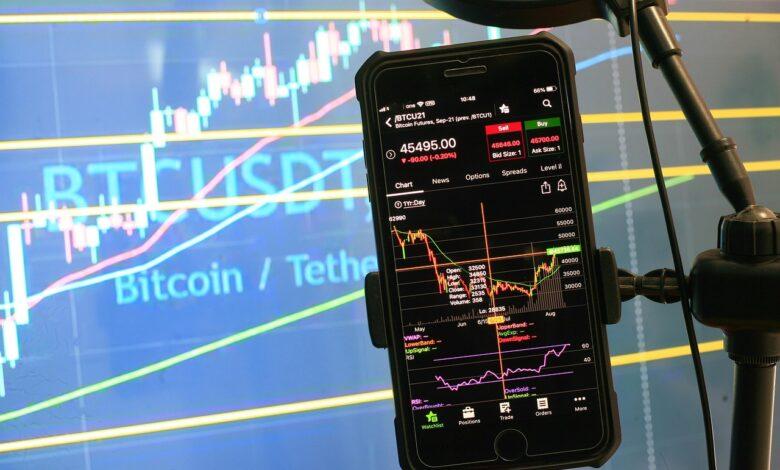
Initiate a fixed-dollar investment, such as £100, into a specific cryptocurrency like Bitcoin or Ethereum on a regular schedule, regardless of the asset’s price. This systematic approach, known as Dollar Cost Averaging (DCA), removes emotion from the equation. You commit to purchasing more units when prices are low and fewer when they are high, which smooths out your average entry price over time. For volatile digital assets, this method provides a disciplined framework that mitigates the risk of investing a large sum at a market peak.
The core of this strategy is the mathematical principle of averaging. By executing periodic purchases, you build your position in the asset incrementally. A 2022 analysis of a three-year DCA plan into Bitcoin, conducted during both bull and bear markets, showed a significantly lower portfolio volatility and a more stable growth curve compared to lump-sum investing at random intervals. This long-term perspective is critical; it transforms market downturns from periods of panic into opportunities to accumulate more digital assets at a discount, aligning your actions with proven investment principles rather than speculative sentiment.
To implement this, establish an automated plan. Most major UK crypto exchanges offer recurring buy features, allowing you to set a weekly or monthly transfer from your bank to execute without manual intervention. This automated investment turns your strategy into a background process, enforcing consistency. Your plan should be treated as a non-negotiable expense, similar to a pension contribution, focused on the steady accumulation of crypto assets over many years. This disciplined, systematic approach is a powerful tool for building a position in the complex cryptocurrency market.
Building a Resilient Digital Asset Portfolio with Systematic Investment
Commit to a fixed, periodic schedule and stick to it regardless of short-term price movements. A disciplined approach involves allocating a set sum, such as £200, on the same day each month to purchase your chosen cryptocurrency. This systematic process removes emotional decision-making, preventing the common pitfall of buying more during euphoric market peaks and selling in a panic during downturns. The core mechanism of dollar cost averaging ensures you acquire more units of a digital asset when prices are low and fewer when they are high, smoothing your average entry price over the long-term.
Integrate this strategy as a core component of a diversified investment portfolio. While dedicating a portion of your capital to crypto, maintain holdings in traditional assets like equities and bonds. A sample allocation for a moderate-risk investor might be 5-7% in a basket of major cryptocurrencies like Bitcoin and Ethereum, with the remainder in index funds and gilts. This balanced plan mitigates the unique volatility of digital assets while providing exposure to their growth potential. The goal is not to time the market, but to build a position steadily.
For a practical case study, consider an investor who began a £100 monthly plan for Bitcoin in January 2019, a period of significant price fluctuation. By consistently investing through the 2020 market decline and the subsequent 2021 bull run, their average purchase price would be substantially lower than the asset’s peak price, demonstrating the strategy’s power in managing volatility. This long-term perspective is critical; a minimum horizon of three to five years allows the averaging effect to work effectively, transforming market uncertainty from a threat into a structural advantage for your investment plan.
Choosing Your Investment Frequency
Set your dollar cost averaging frequency to align with your income cycle; a weekly or bi-weekly plan directly after payday enforces discipline and leverages pound-cost averaging from your salary. This systematic approach removes emotional spending decisions, transforming saving into an automated, non-negotiable habit. For most investors, this consistency matters more than trying to time the market.
The Data Behind Frequency Selection
Analysis of bitcoin’s price history from 2015 to 2023 reveals minimal difference in final portfolio value between weekly and monthly investments over a five-year horizon. The key advantage lies in the number of purchases: a weekly strategy executes over 260 entries, capturing more price points than 60 monthly ones. This higher granularity provides a smoother averaging effect on your entry price for volatile cryptocurrency assets.
- Daily: High transaction fee accumulation can erode gains; only viable on exchanges with zero fee recurring buy options.
- Weekly/Bi-weekly: Optimal for engagement and compounding, synchronising perfectly with most UK payroll cycles.
- Monthly: Logistically simple but offers fewer data points, potentially missing sharper dips within the month.
Building Your Automated Plan
Your investment frequency should be a function of two variables: disposable income and trading fees. First, calculate the monthly amount you can consistently allocate to crypto. If your exchange charges a fixed fee per transaction, a single larger monthly purchase is more cost-effective. If fees are percentage-based, a more frequent, automated plan is superior.
- Audit your monthly budget to determine a sustainable investment amount.
- Check your platform’s fee structure for recurring buys.
- Select a frequency that minimises costs while maintaining consistency.
- Automate the entire process and only review your strategy semi-annually.
The core of this long-term strategy is the systematic accumulation of assets, not frequency optimisation. The greatest portfolio growth comes from uninterrupted participation in the market, allowing periodic investments to compound over time. Set your plan, automate it, and let market volatility work in your favour.
Setting Up Automatic Purchases
Link your exchange account directly to your bank for seamless automated purchases. This action removes the emotional variable from your investment plan, enforcing a systematic approach. I instruct my bank to transfer a fixed sum, say £200, to my chosen platform on the 2nd of each month. The exchange then executes the buy order for my selected cryptocurrency, whether Bitcoin or Ethereum, at the prevailing market rate. This mechanical process is the core of a disciplined dollar cost averaging strategy, ensuring consistent portfolio growth irrespective of market sentiment.
Selecting Your Assets and Allocation
Your automated plan requires a clear allocation strategy. Do not automate purchases for highly speculative assets. Concentrate your periodic investments on established cryptocurrencies; a 70/30 split between Bitcoin and Ethereum is a common foundation for a long-term portfolio. This allocation dictates how your automated system distributes each investment. Re-evaluate this split annually, but avoid frequent adjustments–the power of averaging works over years, not months.
System Monitoring and Adjustment Protocols
An automated system is not ‘set and forget’. Schedule a quarterly review to check transaction histories and ensure your plan executes correctly. Monitor for any failed payments or unexpected fees that could erode your investment. The only valid reason to alter your automated strategy is a fundamental change in your financial goals, not a reaction to short-term crypto price volatility. The objective is to build assets systematically, trusting the mathematical advantage of periodic investment in a volatile asset class.
Selecting Assets For Your DCA Strategy
Focus your periodic investment plan on established, high-liquidity digital assets. Bitcoin and Ethereum should form the core of any systematic crypto dollar-cost averaging strategy, typically comprising 60-80% of your total allocation. Their long-term network resilience and market dominance provide a foundational stability that newer projects cannot offer.
Applying a Data-Driven Filter
For the remaining portion of your portfolio, apply strict criteria. Prioritise cryptocurrencies with a consistent track record spanning multiple market cycles, a clear utility that drives demand beyond pure speculation, and a daily trading volume consistently above $500 million. This filters out transient projects and reduces volatility risk in your automated purchases.
Exclude meme coins and micro-cap assets from your automated plan. Their price action is driven by sentiment, not long-term value accumulation, which directly contradicts the mathematical basis of dollar-cost averaging. The strategy works by neutralising volatility through systematic investment; inherently hyper-volatile assets undermine this core mechanic.
The Infrastructure Check
Verify that your chosen exchange supports automated recurring buys for your selected assets. It is a common oversight to build a plan around a specific digital currency only to find the platform lacks the necessary automated functionality, forcing a manual process that introduces behavioural risk.
Rebalance your asset selection annually, not monthly. The power of this approach is in its long-term, systematic nature. Frequent adjustments based on short-term performance metrics shift the strategy from disciplined investing to active speculation, negating the primary benefit of averaging your entry price over time.