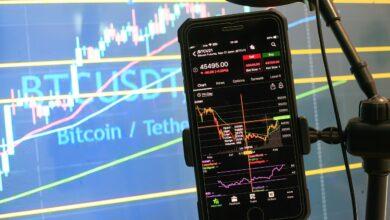
For a straightforward fiat on-ramp, my consistent recommendation is Binance. Its primary strength lies in a vast selection of integrated payment methods. You can execute a bank transfer, use a debit card, or leverage open banking providers like TrueLayer, often completing a deposit in minutes. This variety directly addresses the core challenge of on-ramping: converting pounds into crypto with minimal friction. While its fee structure for card purchases can be higher (~1.8%), the service is reliable and the liquidity is immense, making it a default choice for many.
However, the “best” platform is not universal. If your priority is low cost, a exchange like Kraken Pro, with its 0.16% maker fee, paired with a standard UK bank transfer is significantly cheaper for larger amounts. The trade-off is speed; a Faster Payment can take a few hours to clear. Conversely, if you value sheer simplicity as a beginner, a platform like Coinbase offers an exceptionally easy interface to buy crypto, though its convenience fees are notably steeper. This decision hinges on whether you prioritise cost-efficiency or immediate execution.
Your choice of gateway fundamentally shapes your entry point into the market. Specialised gateways like MoonPay or Ramp Network, embedded within hundreds of DeFi apps and wallets, provide a seamless path from card payment to crypto in a self-custodied wallet, bypassing a central exchange entirely. This model is gaining traction, accounting for a growing share of initial purchases. The data shows that users are increasingly selecting platforms based on the final destination of their assets, not just the initial purchase price.
Compare Payment Method Fees
For a cost-effective deposit, use a bank transfer. Most platforms charge between 0% and 1% for this payment method. Services like Coinbase and Kraken process these transfers through Faster Payments, making them the clear winner for larger amounts. While the transaction isn’t instant, the low fee makes it worthwhile. Card payments, in contrast, are fast but expensive, with fees typically ranging from 2.5% to 4%. This is the premium you pay for immediate on-ramping.
Why Your Payment Choice Impacts Your Crypto Purchase
The fee structure directly affects how much crypto you actually receive. A £500 deposit via a 3% card fee leaves you with only £485 worth of assets before the exchange’s spread. The same deposit via a 1% bank transfer gives you £495 to work with. That £10 difference is a significant portion of your initial investment erased before you even own any digital currency. Beginner-friendly gateways sometimes bundle these fees into a less transparent ‘spread’, so always check the final conversion rate.
Your selection of a gateway should be a tactical decision. For a beginner making a first-time buy, an easy, integrated card payment on a platform like Binance might be justified for its speed and simplicity with a small sum. However, for regular deposits, setting up a bank transfer link is non-negotiable for keeping costs down. Some exchanges offer a better fee selection if you use their native payment gateways or hold a portion of their utility token.
Case Study: A Real-World Fee Comparison
Analysing a £1,000 deposit across three major platforms reveals clear disparities. Platform A charged a 1.5% card fee, Platform B a 0.5% bank transfer fee, and Platform C advertised ‘0% fees’ but offered a poor exchange rate with a 1.2% hidden spread. The result? Platform B delivered the most crypto for the money. This data confirms that the advertised payment fee is only one part of the equation; the total cost of the service includes the exchange rate applied at the point of purchase.
Always scrutinise the complete cost breakdown before you confirm any deposit. The most easy-to-use fiat on-ramp isn’t necessarily the cheapest. A savvy user will prioritise platforms that provide clear, itemised fee information for each payment option, allowing for a genuine comparison. This approach turns the on-ramping process from a simple gateway into a strategic first step in your crypto investment.
Verify Your Country Support
Before you select a payment method, confirm the platform’s service in your specific region. A beginner-friendly exchange like Coinbase offers broad support across the UK and Europe, while other platforms may have significant gaps. I once recommended a platform to a colleague only to find their preferred deposit method was unavailable here, causing a frustrating delay. Always check the ‘Supported Countries’ list on the on-ramping service’s help page before creating an account.
Your fiat currency is another key factor. While most platforms support GBP deposits, the ease and cost vary. Some gateways charge a premium for currency conversion if your deposit isn’t in sterling. For the most straightforward experience, use a platform with direct GBP pairing. This eliminates a hidden fee layer and simplifies the process of your first buy order. A clean selection of local banking options like Faster Payments is a strong indicator of proper UK integration.
Your choice of on-ramp is dictated by geography. A platform might have a global presence, but its payment gateways are location-specific. For a beginner, this means your deposit options on Binance might differ from those on Kraken, even from the same UK postcode. This isn’t about which exchange is ‘better’ overall, but which one provides the most direct and easy fiat on-ramp for your situation. Sticking with FCA-registered platforms often, though not always, translates to smoother GBP deposit pathways.
Check Platform Security Features
Prioritise platforms that are registered with the UK’s Financial Conduct Authority; this registration is a concrete baseline for operational legitimacy. For instance, a service like Coinbase operates under FCA oversight, which mandates strict client money protection rules. Look beyond the basic password login. Your selection should require two-factor authentication (2FA) and offer whitelisting for withdrawal addresses, a feature that can prevent a complete loss of funds if your email is compromised.
The best beginner-friendly gateways do not cut corners on security to make the on-ramping process easy. They use cold storage for the vast majority of user fiat and crypto, with figures often exceeding 95% for offline asset holding. When you use a payment gateway to buy crypto, check if the platform provides clear, real-time transaction confirmations and holds a PCI DSS compliance certification for handling card data. This level of detail separates a professional exchange from a risky one.
Your final check should be the platform’s transparency in reporting. Reputable services publish proof of reserves and detailed audit reports. This data-driven approach allows you to verify that the platform holds the assets it claims to, a critical step before you make a significant deposit. A secure gateway is the only sensible starting point for any fiat-to-crypto exchange, especially for a beginner building a position.