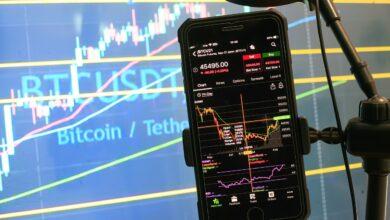

Convert a portion of your freelance work income directly into cryptocurrency. This approach bypasses traditional banking delays and positions a segment of your earnings on a global, 24/7 financial network. For UK-based freelancers, receiving payments in a digital currency like Bitcoin or Ethereum means the funds settle in minutes, not days, and are not subject to the same domestic banking hours or international transfer fees. A 2022 survey by Deel, a global payroll provider, noted a 150% year-over-year increase in crypto payments, with a significant portion going to remote workers in Europe.
The structure of these payments requires precision. Specify the exact cryptocurrency, the amount, the wallet address, and the agreed-upon fiat equivalent at the time of transaction to prevent disputes. Using a smart contract on a platform like Ethereum can automate release of funds upon project completion, securing both your work and the client’s assets. This method transforms your freelance output into a direct acquisition of digital assets, turning your skills into a portfolio that operates independently of the Pound Sterling’s monetary policy.
Managing this new class of earnings demands a different strategy. Your crypto income is an immediate exposure to asset volatility. Instead of holding all payments in the received currency, consider converting a fixed percentage–say, 30-50%–into stablecoins pegged to the GBP to mitigate risk. The remaining portion acts as a direct investment in the asset’s potential. For tax purposes, HM Revenue & Customs (HMRC) views cryptocurrency as a taxable asset; you must record the Pound value of your crypto earnings at the moment you receive them, as this forms the basis for your Income Tax and National Insurance contributions.
Choosing Your Payment Currency
Select a currency with high liquidity for your primary earnings. For remote freelance work, receiving payments in Bitcoin (BTC) or Ethereum (ETH) is a practical default. These crypto assets are easily convertible to fiat on most exchanges, with transaction volumes in the billions daily, ensuring you can access your funds without significant price slippage. Think of them as your base currencies for crypto payments; stable and widely accepted.
Strategic Assets for Niche Work
For a portion of your earnings, consider accepting payments in established ‘blue-chip’ altcoins like Chainlink (LINK) or Uniswap (UNI), especially if your freelance work is for projects within those ecosystems. In Q1 2024, the DeFi sector held a Total Value Locked (TVL) of over $90 billion; earning in a protocol’s native token aligns your income with the success of that specific sector. This is a calculated risk, turning your freelance effort into a direct investment in the assets you believe in.
Always verify the blockchain network for payments. Agree with your client whether a USDT payment is on the Ethereum ERC-20, Tron TRC-20, or another network. A mistake here can lead to lost funds. For smaller, experimental payments in new cryptocurrency projects, use a dedicated wallet separate from your main earning assets. This compartmentalisation protects the bulk of your freelance revenue from the high volatility inherent in nascent digital assets.
Setting Your Crypto Rates
Calculate your rate in fiat first, then convert it to your chosen cryptocurrency. A developer charging £75 per hour would, at an Ethereum price of £2,500, set a rate of 0.03 ETH per hour. This anchors your earnings to a stable value, insulating you from short-term crypto volatility. Track the GBP or USD value of your payments weekly to ensure your real earnings align with your targets.
Factor in the currency’s transaction costs. Earning in Bitcoin might mean losing 1-2% of a payment to network fees, while using Solana or Stellar could reduce that to a fraction of a percent. A £1000 invoice could net you £980 or £999.50 based on this choice alone. Build these costs into your rate or specify that the client covers transaction fees to preserve your full earnings.
Consider a hybrid payment structure for high-value projects. Request 50% of the total in a stablecoin like USDC to lock in the value, and the remaining 50% in a more volatile asset like ETH. This strategy guarantees a baseline income while maintaining exposure to potential appreciation of the crypto assets. It balances risk and reward directly within your freelance work.
Re-evaluate your crypto rates quarterly. The market shift of a currency gaining 50% in a month means you are effectively earning more for the same work. Conversely, a sustained drop requires a rate adjustment to maintain your standard of living. This proactive approach is non-negotiable for sustainable remote earnings in digital assets.
Managing Tax Obligations
Track the pound sterling value of every crypto payment you receive on the date it hits your wallet. For each freelance payment in digital currency, record the transaction date, the amount of crypto received, and its fair market value in GBP at that moment. This establishes your taxable income. Use a dedicated spreadsheet or crypto tax software that pulls data from your public wallet addresses and integrates with HMRC’s requirements.
Calculating Your Taxable Income
The UK tax system treats cryptocurrency as property, not foreign currency. Your freelance earnings are subject to Income Tax and National Insurance based on the GBP value when you received the crypto. If you hold the assets and their value increases, any profit from selling, swapping, or even spending them later may be liable for Capital Gains Tax. This creates two distinct tax events:
- Income Tax Event: The value of crypto upon receipt for your remote work.
- Capital Gains Tax Event: The profit from any subsequent disposal of those assets.
Structuring Your Crypto Earnings
Consider operating as a limited company if your annual freelance earnings in crypto and other payments are substantial. A corporate structure can be more tax-efficient for extracting profits and offers limited liability. For most freelancers, however, sole trader status is simpler. Open a dedicated business bank account to separate personal and freelance finances, making it easier to reconcile crypto payments with traditional ones. Declare all your crypto earnings on a Self-Assessment tax return; HMRC’s Connect data system is sophisticated and can cross-reference blockchain data with its records.
Set aside a portion of your earnings for your tax bill immediately. If you earn £10,000 in a month from various crypto payments, move the estimated tax due–say, £2,000 to £3,000 depending on your tax band–into a separate savings account. This prevents a cash flow crisis when the payment on account deadline arrives. Meticulous, real-time record-keeping is not just good practice; it is your primary defence in an audit.