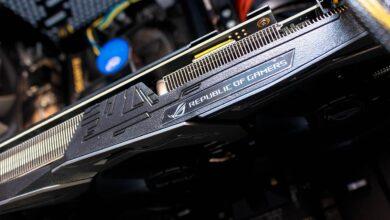
Begin by mapping your facility’s airflow; hot aisles and cold aisles must be strictly segregated to prevent recirculation. Target an ambient temperature between 21°C and 25°C, but direct your focus on the thermal output at the hardware level. ASIC miners and GPU rigs generate intense heat, and a 10°C increase above 70°C on a chip can halve its operational lifespan. Your primary cooling systems, typically industrial fans, are not just for lowering temperature but for creating a high-volume airflow path that evacuates BTUs directly.
Static pressure is a critical metric often overlooked in ventilation design. High-density mining setups require fans that can push air through tightly packed hardware, not just move air in an open room. Pair this with humidity control, maintained at 40-60% RH, to mitigate electrostatic discharge without promoting condensation. This combined approach directly impacts mining efficiency, as consistent temperature control prevents overheating and the associated throttling that crashes hash rates.
For operations where air reaches its cooling limit, immersion solutions present a quantifiable leap in thermal management. Submerging hardware in dielectric fluid can reduce energy spent on cooling by up to 95% compared to traditional air systems. This method eliminates hotspots entirely and allows for higher power densities within a smaller footprint. Whether you run a few rigs or a full-scale data centers, optimizing this single aspect of your cryptocurrency operations is a direct investment in hardware longevity and computational output.
Advanced Thermal Management: Beyond Basic Airflow
Implement a hot aisle/cold aisle containment strategy, a practice adopted from enterprise data centers, to radically improve cooling efficiency. Configure your mining rigs so they all intake air from a shared cold aisle and exhaust into a dedicated hot aisle. Isolate the hot aisle using physical barriers, like plastic curtains, and actively exhaust that heated air directly outside the facility. This method prevents hot exhaust from recirculating back into your hardware intakes, a primary cause of overheating. This single change can lower the ambient temperature around your intake fans by 5-7°C compared to an open layout.
Liquid Immersion Cooling: A Deep Dive
For high-density operations, dielectric immersion cooling presents a superior thermal control solution. Submerge your hardware directly into a non-conductive fluid, which absorbs heat 1,200 times more effectively than air. This system eliminates the need for fans on the rigs themselves, reducing power consumption attributed to airflow by a significant margin. While the initial capital expenditure is higher, the payoff comes from increased hash rate density per square metre and a potential 40-50% reduction in energy used for cooling. This directly impacts the bottom line of your cryptocurrency mining venture.
Establish a continuous data feedback loop for proactive management. Use thermal sensors to log intake and exhaust temperatures for each rig, correlating this data with hash rate performance. Analysing these metrics allows you to identify underperforming units before they fail and fine-tune your ventilation systems. Optimizing based on this granular data enables you to push your hardware to its stable thermal limit without risking damage, maximising output from your investment.
Rack Layout for Airflow
Implement a hot aisle/cold aisle configuration as your baseline. Position your mining rigs so that they all face the same direction, with their intake fans drawing from a shared cold aisle. The exhaust sides should create a dedicated hot aisle. This prevents hot exhaust from one unit being pulled directly into the intake of another, a primary cause of overheating. Containment of these aisles, even with simple plastic curtains, increases thermal control efficiency by over 30%.
Hardware Placement and Spacing
Resist the urge to pack rigs as densely as possible. Maintain a minimum of 2-3 inches of clearance on the intake and exhaust sides of each unit. Vertical spacing is equally critical; leave at least 1U of space between vertically stacked hardware to allow hot air to rise and escape without creating a thermal blanket. For operations using high-density ASICs, this spacing is non-negotiable for hardware longevity. Measure the ambient temperature at the intake grille of a central rig; if it’s more than 2°C above the room’s set temperature, you need better spacing or increased airflow.
Your cooling systems must match the rack layout. In-row cooling units are far more effective for dense configurations than traditional perimeter computer room air handlers (CRAHs). They capture heat at the source within the hot aisle, preventing it from mixing with the room’s ambient air. Pair this with variable speed fans on the rigs themselves; this allows the hardware to modulate its cooling based on real-time thermal load, optimizing power consumption for cooling.
Monitoring and Environmental Control
Deploy a network of temperature and humidity sensors at the intake point of every third rig. This data provides a granular view of your thermal landscape, revealing hotspots that room-level sensors miss. The target relative humidity should be maintained between 40% and 60% to mitigate static discharge without promoting condensation. For operations where air cooling reaches its limits, liquid immersion cooling presents a viable alternative. This solution involves submerging hardware in a dielectric fluid, transferring heat directly from all component surfaces and can reduce cooling energy use by up to 95% compared to traditional air systems.
Ultimately, your rack layout is a physical manifestation of your cooling strategy. It dictates the efficiency of all other systems. A poorly arranged farm forces cooling to work harder, increasing operational costs and accelerating hardware degradation. A deliberate, data-driven layout turns physical space into a tool for optimizing performance and management.
Water Cooling Component Selection
Select a copper radiator over aluminium for its superior thermal conductivity; a 360mm radiator is the minimum for a single high-performance mining rig, with 480mm or larger units providing necessary headroom for overclocking operations. The radiator’s fin density, or FPI, dictates your fan choice: sub-16 FPI works with standard static pressure fans, but high-density 20+ FPI radiators demand specialised, high-static-pressure fans to force adequate airflow through the core. Pairing a dense radiator with weak fans creates a bottleneck, negating the cooling potential of the entire loop.
Pump and Block Configuration
A D5-style pump offers a reliable balance of pressure and flow rate, outlasting DDC pumps in continuous operations. For the water blocks, direct-die cooling on GPUs removes the thermal transfer limitations of the stock heatsink, potentially dropping junction temperatures by 15-20°C compared to air cooling. This direct contact demands meticulous installation to avoid catastrophic hardware failure from a misplaced seal. In a multi-GPU loop, configure blocks in parallel, not series, to ensure each card receives coolant of a similar ambient temperature, preventing the last card in a series chain from overheating.
Immersion cooling presents a different hardware selection criteria, moving away from individual component cooling to a system-level solution. Two-phase immersion, where a dielectric fluid boils on contact with hot components, requires sealed tanks and condenser units to manage the phase change. The efficiency gains are significant, but the initial capital outlay and fluid cost are substantial, making it a solution typically reserved for larger-scale operations that mirror data centers. For both traditional and immersion systems, integrate a fluid temperature sensor into your loop. Use this data point to control pump and fan speeds, rather than reacting to CPU or GPU temperature, which creates a smoother, more stable thermal management environment.
Corrosion and biological growth are the primary enemies of water cooling systems. Use a premixed, inhibitor-rich coolant and avoid mixed metals–copper blocks with an aluminium radiator will cause galvanic corrosion. A closed-loop system, properly maintained, should only require fluid changes every 12-18 months. However, monitor humidity levels in the room; condensation on lines and components becomes a real risk if the coolant temperature drops below the local dew point, a critical consideration often overlooked when optimizing for low temperatures.
Ambient Temperature Monitoring
Install multiple digital sensors at both the intake and exhaust points of your mining rigs; the delta between these two readings is your most critical metric for assessing cooling performance. Aim for a temperature differential no greater than 10-12°C. A smaller delta indicates efficient heat removal by your fans and ventilation, while a larger gap signals insufficient airflow, forcing hardware to operate in its own exhaust heat. Correlate this data with your mining pool’s reported hardware error rates–you will often see a direct relationship between a widening delta and an increase in invalid shares.
Integrating Humidity Control
Ambient temperature data is incomplete without simultaneous relative humidity tracking. Maintain humidity levels between 40% and 60% to prevent electrostatic discharge in dry conditions and avoid condensation on hardware during colder periods. Condensation is a significant risk with immersion cooling systems if the fluid temperature is not properly controlled relative to the ambient air. Use a dedicated hygrometer and log this data alongside thermal readings; many modern environmental control systems can automate this correlation.
Deploy a networked monitoring solution that logs ambient conditions to a central database. This allows for trend analysis and proactive management. For example:
- Set alerts for when ambient temperature exceeds 26°C, as this is typically the threshold where fan speeds on standard mining hardware ramp up significantly, impacting acoustic noise and power efficiency.
- Analyse historical data to pre-emptively adjust cooling strategies based on time-of-day or seasonal external temperature fluctuations, preventing thermal throttling during peak heat hours.
- Use this data to validate the effectiveness of any new cooling solutions, whether advanced air systems or immersion tanks, by comparing hardware core temperatures against ambient baselines.
This granular, data-centric approach to ambient monitoring transforms your cooling operations from reactive to predictive. By understanding the precise thermal environment, you can implement targeted strategies that directly protect your cryptocurrency mining investment from the persistent threat of overheating and performance degradation.