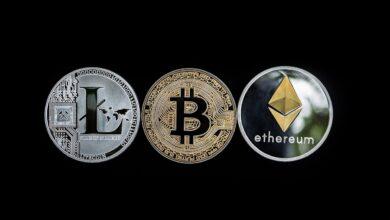

Open an account with a platform like Coinbase or Kraken. For a complete beginner, their balance of strong security and a clear interface is the correct starting point. This initial selection is about getting you onto a reliable platform where you can execute your first trade within the hour, not about finding the absolute perfect fit for a portfolio you don’t yet have.
Your primary filter should be asset availability. There are thousands of cryptocurrencies, but your interest likely lies in a handful of major ones like Bitcoin and Ethereum. Use a fast comparison tool, such as CoinGecko, to check which exchanges list the specific assets you want. This immediately narrows the field from hundreds of platforms to a manageable few. This is a brief guide to action, not an academic exercise.
Now, scrutinise the fees and security ratings. Trading fees, often presented as a percentage, can vary from 0.1% to over 1% per trade. A platform charging 0.2% instead of 0.6% saves you £40 on a £10,000 trade. This data is readily available in head-to-head platform comparisons. Simultaneously, check independent security ratings and look for features like two-factor authentication and cold storage of assets. This is non-negotiable.
This quick tutorial provides a system for choosing, not a single answer. Track your experience: after a few months, you might find you need the advanced tools of a platform like Binance, or the lower fees of a more specialist exchange. This primer gives you the framework for that initial, informed decision. Your next step is to select an exchange and make a deposit.
A Quick-Start Tutorial on Exchange Selection
Your first move should be to check an exchange’s proof of reserves and its cold storage percentage for user funds. Aim for platforms that publicly audit their reserves; a cold storage rate above 95% for custodial assets is a strong security indicator. This data, often buried in transparency reports, separates robust digital vaults from risky propositions. For a beginner, this is the most critical filter–it directly impacts the safety of your cryptocurrency.
Decoding the Real Cost of Trading
Look beyond the advertised trading fees. The real cost includes withdrawal fees, which can be steep for moving assets like Bitcoin. A platform might offer 0.1% spot trading fees but charge a fixed £15 for a BTC withdrawal–a significant sum on a small transfer. Always cross-reference the fee schedule for your specific actions: buying, selling, and transferring. This brief audit prevents nasty surprises and keeps more of your asset growth on track.
Using Data to Shortlist Your Platform
Don’t rely on a single “best of” list. Instead, use aggregate ratings sites to compare three core metrics side-by-side: security score, fee structure, and supported assets. Create a shortlist of 2-3 platforms that score highly across these areas. For instance, a platform with a high security rating, competitive fees, and a selection of 150+ coins offers a balanced proposition. This fast, data-driven selection method is far more reliable than choosing based on brand recognition alone.
Finally, test your shortlisted platforms with a small deposit. This hands-on tutorial reveals the user interface’s clarity, the speed of transactions, and the responsiveness of customer support. This practical step, often skipped in a quick guide, validates your initial research and ensures the digital platform aligns with your actual needs before you commit significant capital.
Check Available Coins: Your Asset Selection Primer
Filter exchanges by your target assets first; a platform like Coinbase offers around 250 coins, while Kraken supports over 240, but a specialist like KuCoin lists more than 700. This initial comparison is critical–you cannot buy an asset the platform does not list. Your strategy dictates the selection: a beginner may prioritise simplicity, but if your interest lies in specific altcoins or DeFi tokens, the largest exchange by volume may not be the correct choice.
Scrutinise the quality of the selection, not just the quantity. High ratings and a long operational history often indicate a more rigorous asset review process, which acts as a basic security filter. Examine the pairing options for your primary digital assets. Can you buy them directly with GBP, or must you first trade into a intermediary cryptocurrency like USDT? This extra step incurs additional fees. A quick guide to spotting a robust asset list includes:
- Multiple stablecoin pairs (USDC, GBPt) for fast, low-cost entry.
- A mix of established assets (BTC, ETH) and newer, vetted projects.
- Clear labelling of staking or earning opportunities on the asset page itself.
Your due diligence extends beyond the exchange. Use independent data sites to track an asset’s market data, development activity, and tokenomics before selecting it for purchase. This brief external check can reveal risks not apparent on the trading platform. Ultimately, choosing an exchange with a thoughtful asset selection aligns your portfolio goals with the practicalities of trading, minimising friction and keeping fees predictable.
Compare Trading Fees
Ignore the headline ‘taker’ fee; your real cost as a beginner is in the spread and the deposit charge. A platform advertising 0.1% might levy a 1% spread on a popular asset like Bitcoin, effectively decimating your initial capital before you even trade. Always check the ‘buy’ and ‘sell’ prices against a live index–this is your true starting point.
Your selection should prioritise exchanges with a clear, tiered fee schedule that drops with 30-day volume. For instance, Coinbase uses a straightforward percentage model, which is simple but often higher, while Binance employs a complex maker/taker system that can be cheaper for limit orders. My tip: use a fee comparison website to input your typical trade size and frequency. This data-driven approach reveals the actual cost, moving you beyond marketing claims.
Track all fees in a spreadsheet from day one. Every deposit fee (especially for UK bank transfers), withdrawal fee, and conversion cost adds up. A seemingly cheap trading fee can be negated by a £10 withdrawal charge on your digital assets. This self-audit is the quickest tutorial for understanding the real cost of your crypto activity and is fundamental to asset security, as it prevents nasty surprises that can lock your funds on an exchange.
Finally, never let low fees be the sole reason for choosing an exchange. A cheap platform with poor security and a limited selection of cryptocurrencies is a false economy. Balance cost against the platform’s ratings, its range of supported assets, and its track record. This brief primer should equip you to make a fast, informed comparison, putting you in control of your finances from the outset.
Verify Security Measures
Immediately check if the platform stores over 95% of user assets in cold storage. This is the single most critical factor; it means the majority of your digital wealth is held offline, completely inaccessible to remote hackers. A platform’s transparency about its cold storage percentage is a direct indicator of its security maturity. Look for this figure in their help centre or security white paper–if it’s absent or vague, treat it as a major red flag.
Your next step is a quick comparison of their insurance policies and proof-of-reserves audits. Leading exchanges now undergo regular, independent audits to cryptographically prove they hold the assets they claim. This isn’t a ‘nice-to-have’; it’s a baseline requirement. Similarly, check for an insurance policy that covers assets in their hot wallets against theft. This isn’t about creating a false sense of security, but about having a clear, financial backstop for the small portion of assets that must remain online for liquidity.
Finally, scrutinise the specific user-controlled security features. Mandatory two-factor authentication (2FA) using an app like Authy or Google Authenticator is non-negotiable. Go beyond this and check for advanced options like whitelisting withdrawal addresses, which locks in a 24-48 hour hold on any new address, and the ability to track active sessions across devices. This selection of tools puts a significant portion of the security burden rightly on your shoulders, transforming you from a passive user into an active custodian of your own assets.