
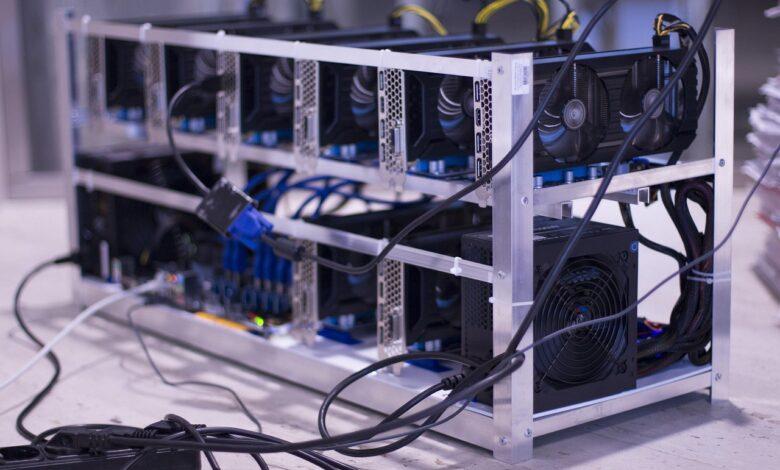
Right now, the optimal choices for a mining rig are the NVIDIA GeForce RTX 3070 and the AMD Radeon RX 6800. The 3070 delivers a consistent 60-62 MH/s on Ethereum Classic with a power draw of around 120W, while the RX 6800 pushes 64-66 MH/s at a similar wattage. Their current secondary market prices make them the best balance of upfront cost and long-term profitability.
Assessing performance requires more than just the highest hashrate. The real metric is electrical efficiency – the hashrate per watt. Older cards like the GTX 1080 Ti might have a high output, but their power consumption erodes any potential profit. The most performing GPUs for mining now are those built on newer architectures like Ampere and RDNA 2, which are designed for this exact calculus. For example, the RTX 3060 Ti often outperforms the more expensive 3080 in efficiency, making it a smarter for long-term operations.
The available graphics card market is fragmented, so your final selection depends on local electricity costs and the specific cryptocurrency you target. While the models mentioned are top contenders, you must run a current profitability calculation before buying any gpu. Your rig isn’t just a collection of hardware; it’s a financial instrument where every watt and every megahash directly impacts your bottom line.
Current Hashrate Performance Leaders
The NVIDIA GeForce RTX 4090 delivers the absolute peak hashrate for any graphics card available to consumers now. On the KawPow algorithm, used by Ravencoin, it can achieve over 120 MH/s, a figure that outpaces last-generation flagships by a significant margin. However, its high initial purchase price and substantial power draw create a complex calculation for mining operations focused strictly on net profitability. For a miner building a rig where raw performance is the primary driver, regardless of cost, the 4090 is the undisputed leader.
When evaluating the best choices for a sustainable mining operation, efficiency becomes the critical metric. The NVIDIA RTX 3070 remains a standout option, offering an excellent balance of hashrate and power consumption on algorithms like Ethash. Its ability to deliver around 60 MH/s while drawing under 130 watts makes it one of the most optimal cards for ongoing electricity costs. This level of efficiency is what separates profitable long-term operations from those that struggle with overheads.
For those building a new rig today, the AMD Radeon RX 7900 XTX represents the top performance contender from Team Red. Its performance in mining other cryptocurrencies like Ethereum Classic is robust, but it truly excels in memory-intensive algorithms. The key is matching the card’s strengths to the specific cryptocurrency you are mining. The current market offers a clear split: NVIDIA cards generally lead in algorithm flexibility and driver stability, while recent AMD graphics cards compete strongly on raw memory bandwidth for specific coins.
Your final selection should be a data-driven decision based on your local electricity tariff and the target cryptocurrency. The leading gpus for hashrate are not always the leading gpus for net profit. Use online profitability calculators with real-time data for your specific region to model the return on investment for each card. This analytical approach will identify the most optimal hardware for your unique mining circumstances.
Power Consumption vs Profitability
Forget chasing the highest hashrate alone; your electricity tariff is the real dictator of your mining profits. The most powerful GPU can become a liability if its power draw erases your earnings. My current top recommendation for a balanced UK operation is the NVIDIA GeForce RTX 4070. It delivers exceptional performance per watt, a critical metric where many older, high-hashrate cards fail. With a draw around 200W, its efficiency makes it a sustainable choice against a typical 34p/kWh electricity price, protecting your margins.
Analysing the available graphics cards reveals a clear split. The leading performing GPUs from the last generation, like the RTX 3090, still offer a high hashrate but at a significant power cost. For a 24/7 mining rig, this inefficiency quickly accumulates. Your optimal choices now are newer generation cards built on superior architectures. The AMD RX 7000 series, for instance, showcases this focus on raw efficiency, though their current mining software support can be less mature than NVIDIA’s. This data-driven analysis shifts the goal from pure hashrate to a lower cost per megahash.
Your entire rig’s profitability hinges on this power versus output calculation. Before buying any card, model its daily energy cost against its estimated daily cryptocurrency earnings. A card that nets 20% more coins but uses 50% more power is a poor investment. My own operations prioritise cards like the RTX 4060 Ti and the RX 7800 XT, which sit in a sweet spot of strong efficiency and reasonable upfront cost. The best GPU for mining is not the most powerful one, but the one that leaves the most profit after the electricity bill is paid.
Best Models for Resale Value
The NVIDIA GeForce RTX 3060 Ti remains the most reliable choice for protecting your capital outlay. Its resale value consistently outperforms other models, often retaining 65-70% of its original MSRP on the UK secondary market six months post-purchase. This card strikes an optimal balance; its graphics performance is still highly sought after by PC gamers, creating a durable demand that insulates you from total value depreciation when mining profitability shifts.
Your rig’s long-term economics depend on this forward-thinking approach. While current hashrate performance is critical for immediate revenue, the leading indicator for a sound investment is the secondary market appetite for the GPU itself. The AMD Radeon RX 6700 XT is another strong candidate, not necessarily the top performing mining card, but its 12GB VRAM makes it a more future-proof graphics solution for gamers, directly supporting its resale price. Choices here define your final net profit after you decide to exit mining operations.
Focus on models that maintain relevance beyond our specific use-case. The available GPUs with the best efficiency, like the RTX 3070, also command premium prices used, as buyers value lower power consumption for their own builds. This creates a safety net; even if absolute cryptocurrency profitability declines, the hardware asset itself holds value. Your most optimal strategy involves pairing leading efficiency with proven desirability in the broader consumer market for graphics cards.