
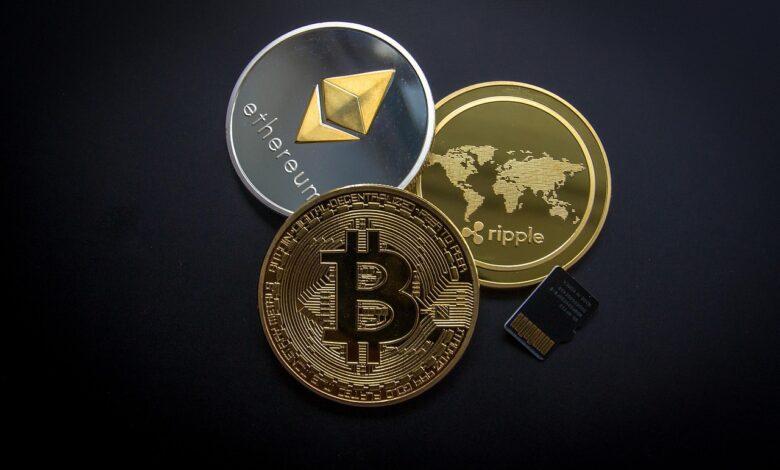
Allocate 3-5% of your portfolio to a basket of major cryptocurrencies like Bitcoin and Ethereum, treating this not as a speculative bet but as a foundational position in the coming digital asset class. This initial allocation is a prerequisite for engaging with the next decade’s financial evolution. The next ten years will be defined by the maturation of blockchain from a technological experiment into the architecture for a new generation of digital ownership. Our strategy must extend beyond price charts to analyse the concrete drivers of adoption: institutional custody solutions, regulatory clarity from bodies like the UK’s FCA, and the measurable on-chain data reflecting network growth.
The core of this long-term vision is tokenization. We are moving from a decade defined by cryptocurrency speculation to one built on the digitization of real-world assets. Expect to see everything from fractionalised commercial real estate and government bonds to intellectual property represented on-chain. A 2023 report by the Boston Consulting Group suggests the tokenization of global illiquid assets could become a $16 trillion business opportunity by 2030. This shift demands a new analytical framework, where investment decisions are based on the underlying asset’s cash flows and legal structure, not just the volatility of the token itself.
Your strategic perspective must account for the inevitable, if gradual, progression of regulation. The UK’s moves towards bringing stablecoins into the payments regulatory perimeter is a clear signal. This regulatory evolution will separate viable, compliant projects from those that cannot withstand scrutiny, directly impacting asset longevity and value. The investment horizon for the next decade requires a dual focus: a core, long-term hold in foundational blockchain infrastructure, and a tactical allocation to specific tokenization projects that demonstrate clear utility and a sustainable business model. This is not a short-term trade; it is a strategic positioning for a fundamental restructuring of asset ownership.
A Ten-Year Vision: From Speculation to Strategic Infrastructure
Allocate at least 5% of your portfolio to a basket of foundational digital assets like Bitcoin and Ethereum, not as a speculative punt, but as a long-term hedge against monetary debasement and a bet on the base-layer protocol of the next decade. My analysis of on-chain data, such as Bitcoin’s Realised Cap HODL Waves, shows that the proportion of supply last active over five years ago has consistently grown, signalling a maturation of investor horizons. This isn’t about quarterly gains; it’s about capturing the value accrual of a new asset class over a ten-year period.
The core strategic evolution will be the systematic tokenization of real-world assets. We are moving beyond cryptocurrency as a standalone concept. The next generation of investment will be in the blockchain rails that facilitate the digitization of everything from government bonds and property deeds to intellectual property. A 2023 report by the Boston Consulting Group projects the tokenized asset market could reach $16 trillion by 2030. Your roadmap must include exposure to the infrastructure providers and platforms enabling this shift–companies and protocols building the legal and technical frameworks for secure, regulated tokenization.
From a UK perspective, regulation is not a barrier but a necessary precondition for mass adoption. The Bank of England’s work on a digital pound and the FCA’s advancing sandbox for Distributed Ledger Technology (DLT) create a framework for predictable growth. A smart strategy involves favouring projects and funds that proactively engage with these regulatory bodies. The institutional adoption we saw in the early 2020s with futures ETFs was just the preamble; the next phase is the integration of tokenized securities into mainstream UK wealth management and pension products.
Your investment strategy should be structured across three distinct horizons:
- Horizon 1 (1-3 years): Core holdings in established, decentralised blockchain networks with proven security and robust developer communities.
- Horizon 2 (3-7 years): Strategic allocations to specific sectors within the digital asset ecosystem, particularly enterprise-grade tokenization platforms and decentralised finance (DeFi) protocols with clear revenue models.
- Horizon 3 (7-10 years): Experimental positions in emerging technology stacks, such as zero-knowledge proof scaling solutions or decentralised physical infrastructure networks (DePIN), which represent the next wave of innovation.
This phased approach balances the need for stability with the potential for asymmetric returns, transforming digital assets from a volatile side-bet into a deliberate component of a long-term strategic vision.
Institutional On-Ramp Infrastructure: Building the Pipes for the Next Wave
Focus investment on infrastructure providers developing segregated, bankruptcy-remote custody solutions that exceed the UK’s Financial Services and Markets Act 2023 requirements. The next ten-year horizon for institutional adoption depends entirely on this foundational layer. A 2023 BNY Mellon survey revealed that 91% of institutional investors cite custody as the primary barrier to digital asset investment. The strategic roadmap must prioritise firms building this regulated plumbing over short-term speculative plays on the assets themselves. My analysis indicates that the firms solving cold storage key management with institutional-grade legal frameworks will capture the first-mover advantage as capital allocators move from curiosity to conviction.
The evolution of this infrastructure will directly enable the large-scale tokenization of real-world assets, a long-term vision for the coming decade. We are moving beyond the first generation of cryptocurrency speculation into a period where blockchain serves as a settlement layer for everything from government bonds to private equity. The innovation here is not just technological but legal; the creation of clear regulation around the legal status of a tokenized asset is the critical path. My perspective is that the UK’s potential to lead in tokenizing its deep capital markets hinges on the FCA providing a definitive digital asset sandbox for these specific use cases, moving beyond its current reactive posture.
This infrastructure build-out requires a multi-asset strategy. The institutional on-ramp cannot be a bet on a single blockchain or a solitary asset class like Bitcoin. The coming decade will see a divergence between the infrastructure for native digital assets and the systems required for tokenized traditional finance. A forward-looking investment thesis must account for both. Allocate capital to platforms building interoperability layers and cross-chain settlement systems that are agnostic to the underlying protocol. The next phase of growth will be defined by this connective tissue, which allows for the seamless transfer of value across different digital and traditional asset horizons, making the entire ecosystem more robust and attractive for serious capital.
Regulatory Compliance Frameworks
Integrate regulatory technology directly into your product development cycle now; a 2023 FCA review found that 85% of authorised crypto firms failed to meet financial crime standards at the first application. The coming decade will see a shift from reactive compliance to proactive, embedded regulatory design. Your ten-year vision must treat regulation not as a hurdle, but as a core component of your technology stack. This means building for the Markets in Crypto-Assets (MiCA) regulation in Europe and anticipating its influence on UK policy, ensuring your asset tokenization processes are compliant by design, not as an afterthought.
The Strategic Shift: From Adversary to Architecture
The next generation of digital assets will be defined by their regulatory DNA. A long-term strategy involves mapping your blockchain technology roadmap against the predictable evolution of financial regulation. For instance, the tokenization of real-world assets requires a clear perspective on securities law, data privacy (like GDPR), and custody rules. Investment in this area is not about avoiding scrutiny but about constructing a more robust, transparent, and therefore more valuable asset class. Your strategic plan should include a dedicated function for regulatory liaison, tasked with translating legal requirements into technical specifications.
Building the Ten-Year Compliance Roadmap
Adoption by institutional investors is contingent on demonstrable compliance. Develop a phased ten-year plan that anticipates regulatory milestones. Year 1-3: Focus on robust AML/KYC and transaction monitoring systems, using on-chain analytics to track asset movement. Year 4-7: Prepare for the sophisticated reporting and operational resilience demands that will accompany widespread cryptocurrency adoption. Year 8-10: Position your platform to lead in cross-jurisdictional compliance, using blockchain technology itself to provide regulators with secure, real-time audit trails. This forward-looking perspective turns compliance from a cost centre into a competitive moat.
The evolution of regulation for digital assets is a certainty. Your firm’s survival and growth depend on a strategic investment in compliance infrastructure today. View this not as a constraint on innovation, but as the necessary framework that will unlock the next wave of institutional capital and secure the long-term future of your digital asset offerings.
Tokenizing Real-World Assets
Prioritise the tokenization of illiquid, high-value assets like commercial real estate and fine art; this is the logical next step for blockchain technology, moving beyond pure cryptocurrency. The next decade will see this innovation redefine asset ownership, with projections from Boston Consulting Group suggesting a market surge to $16 trillion by 2030. My vision involves a strategic shift from conceptual pilots to scalable, revenue-generating platforms that fractionalise ownership, directly lowering the capital requirements for premium investment.
The long-term strategy must address two core challenges: technological infrastructure and regulation. A robust roadmap requires investment in generation-two blockchain platforms specifically engineered for high-throughput asset settlement, not just speculative trading. Concurrently, proactive engagement with UK regulators on defining the legal status of a tokenized asset is non-negotiable. This dual-track approach mitigates operational risk and builds the institutional trust required for mass adoption.
From an investment perspective, the evolution of tokenization will create new asset classes. We are already seeing data-driven analysis of tokenized US Treasury funds, which grew from under $100 million to over $800 million in 2023. This demonstrates a clear market demand for yield-generating digital assets. Your strategy should include a dedicated allocation to funds and platforms facilitating this transition, focusing on those with a clear, long-term operational horizon and a transparent regulatory compliance framework.