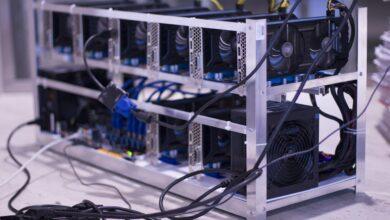

Forget brand loyalty; your next hardware purchase is an algorithmic decision. The shift from Ethash to Proof-of-Work algorithms like RandomX and Blake3 has rendered entire warehouses of ASICs obsolete, forcing a strategic pivot back to GPU processing. This isn’t a minor adjustment but a fundamental reset. The monolithic efficiency of ASICs, once the undisputed king for Bitcoin, fractures when faced with this new algorithmic generation. The result is a hardware landscape where flexibility and memory bandwidth now directly determine mining profitability, making a high-end GPU a more defensible long-term asset than a single-purpose ASIC for many emerging cryptocurrencies.
This evolution is driven by a conscious design choice for greater network decentralization. Algorithm developers are explicitly architecting resistance to ASIC optimization to prevent hardware centralization. Monero’s RandomX, for instance, favours CPU mining by mimicking general-purpose processing, a move that actively dismantles the ASIC-dominated hierarchy. This deliberate friction influences everything from motherboard selection to power supply capacity, pushing miners towards a general-compute model. The pursuit of efficiency is no longer just about raw hashing power; it’s about hardware agility capable of adapting to the next algorithmic change.
The consequence is a new investment paradigm. The calculus for ROI now requires forecasting algorithmic trends alongside electricity costs. A hardware decision today must account for its potential performance across a range of possible algorithms, not just its peak output on one. This places a premium on GPUs with robust memory subsystems and architectures that handle varied workloads competently. The next generation of mining profitability will be won by those who treat their hardware fleet as a dynamic, algorithmic-driven portfolio, not a static tool for a single task.
The Evolution of Mining: Algorithmic Influence on Hardware Design
Prioritise hardware flexibility over raw power for the next generation of mining. The shift from Bitcoin’s SHA-256 to Ethereum’s Ethash and the subsequent move to Proof-of-Stake created a seismic rift in hardware decisions, demonstrating that algorithm design directly dictates processing unit viability. This algorithmic influence is the primary driver of hardware innovation, pushing the evolution from single-purpose ASICs to more adaptable, high-efficiency GPU systems for altcoins.
From Profitability to Principles: The New Hardware Calculus
The mining hardware landscape is no longer driven solely by cryptocurrency profitability. Algorithmic changes are increasingly motivated by a desire for greater network decentralization and sustainability, forcing a redesign of mining’s core infrastructure. For instance, the proliferation of ASIC-resistant algorithms like RandomX for Monero intentionally favours general-purpose CPUs, a deliberate move to democratize processing power and resist centralization. Your hardware investment now carries a philosophical weight, aligning with networks whose algorithmic foundations support your views on decentralization.
This changing influence means the next generation of mining hardware must balance computational efficiency with energy sustainability. Consider the development of ASICs for Kadena’s Blake2S, which offer a significant efficiency gain over GPU mining but within a specific algorithmic niche. The real innovation lies in manufacturers designing ASICs with modular components or GPUs with enhanced memory bandwidth, anticipating future algorithmic shifts rather than just optimizing for current ones. The evolution is clear: from hardware that mines a specific algorithm, to hardware designed to adapt to the changing algorithmic landscape.
ASIC Resistance Explained
Forget chasing the latest ASIC machine; the next generation of cryptocurrency mining is shifting the focus back to hardware flexibility. ASIC-resistant algorithms are a direct response to the centralizing influence of specialized hardware, deliberately designed to run efficiently on general-purpose GPUs. This design choice isn’t accidental; it’s a core mechanism to bolster network decentralization by preventing mining power from concentrating in the hands of a few who can afford constant hardware upgrades. The resulting landscape forces a different calculus for miners, where profitability stems from adaptability and access to versatile processing power, not just raw, specialized efficiency.
The sustainability of this model is proven by networks like Ethereum, which, before its move to Proof-of-Stake, demonstrated that a GPU-dominated ecosystem could secure hundreds of billions in value. This algorithmic influence on hardware decisions creates a more resilient mining environment. Miners aren’t locked into a single-purpose machine whose value plummets with the next algorithmic change or a shift in coin profitability. Instead, a GPU can be repurposed, allowing for rapid redeployment of processing power across various coins, insulating the miner’s investment from the volatility of a single cryptocurrency.
Ultimately, the push for ASIC resistance is driven by a philosophy that prioritizes long-term network health over short-term peak efficiency. It acknowledges that mining’s security is intrinsically linked to its accessibility. By designing algorithms that favour memory-intensive tasks over pure processing speed–tasks at which GPUs excel–developers consciously shape a hardware landscape where the barrier to entry remains lower. This fosters a more distributed and arguably more robust network, where innovation is driven by software and community consensus rather than an arms race in hardware manufacturing.
Memory Demands of Algorithms
Select hardware with a minimum of 8GB of VRAM, but target 12-16GB for longevity. This is the direct consequence of the algorithmic evolution from simple SHA-256 hashing to memory-intensive functions like Ethash and its successors. The design of these algorithms intentionally creates a large, cached dataset that must be stored in local memory, making processing speed directly dependent on memory bandwidth and capacity, not just raw clock cycles.
The influence on hardware decisions is absolute. You cannot run a RandomX-based coin like Monero on an ASIC; its requirement for fast, flexible access to 2GB of changing memory makes GPU and CPU mining the only viable paths. This algorithmic design forces a hardware divergence. For miners, this means profitability calculations now hinge on two metrics: hash rate and memory performance. A card with a high hash rate but insufficient VRAM will be rendered useless by the next generation of memory-bound algorithms.
Consider the progression from Ethereum’s DAG file growth. Each epoch increased the DAG size, systematically phasing out older 4GB and 6GB GPUs from the mining landscape. This was a clear, data-driven obsolescence event driven by algorithmic demands. The next generation of cryptocurrencies is pushing this further, with projects like Zcash (Equihash) and Ethereum Classic (Etchash) continuing the trend of high memory requirements to maintain network decentralisation and ASIC resistance.
The sustainability of a mining operation now depends on forecasting these memory demands. Investing in hardware with a substantial memory buffer, like the 16GB-24GB found on high-end Radeon and GeForce models, provides a hedge against the changing algorithmic landscape. It protects your capital from immediate obsolescence when the next memory-hard algorithm emerges, ensuring your processing power remains relevant and profitable for longer.
The Hardware Manufacturer’s Response
This shift has directly influenced GPU design. We see innovation focused not just on pure TFLOPS, but on memory subsystems.
- High-Bandwidth Memory (HBM) stacks offer immense bandwidth for memory-saturated workloads.
- Manufacturers are releasing professional-grade “mining” cards with stripped-down displays but robust memory configurations.
- The entire industry is being pushed to develop more efficient memory architectures to handle the gigabytes of cached data these algorithms demand.
The evolution of mining is now a story written in memory bandwidth and capacity.
Future-Proofing Your Mining Rig
Prioritise GPU flexibility over raw power for a single algorithm. The algorithmic landscape is in constant flux, and a rig built solely for today’s most profitable cryptocurrency is a liability tomorrow. My own analysis of network hashrate migrations shows that rigs with mid-range, power-efficiency focused GPUs, like the NVIDIA GeForce RTX 4070 or AMD Radeon RX 7800 XT, maintain profitability across multiple algorithmic shifts far better than top-tier cards with a narrower performance band. The evolution of mining’s demands is driven by innovation in consensus mechanisms, making adaptability your primary asset.
This strategy directly supports network decentralization by reducing reliance on a single hardware type. While ASIC manufacturers push the envelope on processing speed for specific tasks, their design is antithetical to a changing environment. The influence of new algorithms on hardware design is pushing GPU makers towards architectures with superior memory bandwidth and parallel processing capabilities, as seen in the cache and memory subsystem of the next generation RDNA 3 and Ada Lovelace chips. Your purchasing decisions should mirror this trend.
Factor in the total cost of ownership, not just the initial price. Calculate your break-even point using a dynamic model that incorporates a projected 15-30% annual decline in coin emission and a corresponding increase in network difficulty. This data-driven approach reveals that a slightly more expensive GPU with a 20% lower power draw can be 40% more profitable over a 24-month period, especially under the UK’s current energy price cap. True sustainability in mining is achieved by building a system that remains economically viable and relevant from one algorithmic epoch to the next.