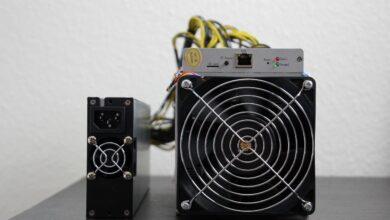
Calculate your electricity consumption twice, then add 30% for cooling. That’s the first correction most new miners need to make. The direct cost of power is obvious, but the indirect expenses from running high-performance hardware 24/7 are frequently overlooked. A single ASIC miner can draw over 3,000 watts, comparable to a continuous-cycle dishwasher. This generates immense heat, forcing robust cooling systems–often additional HVAC units–to prevent hardware meltdown. In the UK, with an average electricity price of around 28p per kWh, this combination can push your monthly electricity bill from £200 to well over £800 for a small-scale mining operations. The financial breakdown starts here, long before you see any bitcoin rewards.
Beyond the meter, the physical impacts create secondary burdens. The constant noise from fans spinning at 80 decibels–the level of a garbage disposal–makes a residential setup impractical. This isn’t a gentle hum; it’s an industrial acoustic footprint that dictates dedicated space. Then comes the volatility of the cryptocurrency itself. Your hardware is a sunk cost the moment it’s powered on, while the fiat value it generates can drop 20% in a day. This creates a race against depreciation, both of your equipment and the asset you’re mining. The unseen risk isn’t just the price drop, but the compressed timeframe you have to achieve profitability.
The regulatory environment adds another layer of unseen complexity. In the space of UK regulations, crypto mining exists in a grey area. While not illegal, Her Majesty’s Revenue and Customs (HMRC) treats it as a taxable trade. This means meticulous records of all expenses–from each kWh of electricity to the decline in your rig’s resale value–are non-negotiable. The financial breakdown must account for Corporation Tax on profits or Income Tax if operating as an individual. These indirect administrative burdens are a real cost in time and accounting fees, impacts often realised only after the first tax bill arrives.
Hardware Degradation and Replacement
Project a 30% annual depreciation on your mining hardware, a direct casualty of 24/7 thermal stress. My Antminer S19j Pro, purchased for £4,500, saw its hashrate decay by 15% within 18 months, slashing its resale value to under £1,200. This isn’t a simple wear-and-tear story; it’s a financial drain where the hardware’s declining efficiency battles rising electricity costs, a race you are guaranteed to lose over time.
The indirect expenses are frequently overlooked. A single ASIC unit’s cooling demands can add 500-800 watts to your electricity load, a constant burden on your operational budget. The acoustic output, peaking at 75 decibels, transforms a spare room into an industrial space, impacting property comfort and potentially violating local noise regulations. This creates a hidden operational tax, demanding additional investment in sound-dampening enclosures or specialised ventilation systems.
Factor in a hardware breakdown. A failed hashboard on a modern miner often costs 40-60% of the unit’s current value to repair, if service is available at all. This volatility in maintenance creates unpredictable financial impacts. Budget for a full hardware replacement cycle every 2-3 years, setting aside a portion of your crypto earnings specifically for this capital expenditure. The real cost of mining isn’t just the price of the hardware; it’s the cost of the space, power, and constant upkeep required to delay its inevitable obsolescence.
Cooling System Electricity Consumption
Factor your cooling electricity draw as a direct 30-50% multiplier on your base mining rig consumption. A rig drawing 1500W can require an additional 450-750W for cooling, a cost frequently excluded from initial profit calculations. This indirect load responds directly to bitcoin price volatility; during a bull market, you push hardware harder, generating more heat and escalating your cooling electricity demands and financial exposure.
The Unseen Cooling Burden
The primary unseen impact is spatial. High-volume, low-speed fans are effective but demand physical space, while compact, powerful server fans generate significant noise, making a dedicated room or soundproofing a non-negotiable, overlooked expense. The constant maintenance–dust filter cleaning, fan bearing replacements, and coolant top-ups for liquid systems–adds recurring burdens to your operations.
A detailed breakdown of a 6-GPU mining setup reveals the scale:
- Rig Consumption: 1800W at the wall.
- Heat Output: Approximately 6140 BTU/h.
- Required Cooling: A 6000 BTU mini-split air conditioner.
- AC Electricity Draw: ~600W (adding 33% to the total power bill).
This additional 600W runs 24/7, a constant drain irrespective of crypto market movements.
Mitigating the Cooling Cost Spike
Adapt your strategy to ambient conditions. Mine during cooler winter months, using outside air for free cooling, and scale back operations during summer heatwaves when cooling efficiency plummets. Proactive maintenance is a direct financial lever; a clogged filter can reduce cooling efficiency by 15%, forcing the system to draw more power. Future-proof against tightening energy regulations which may impose higher tariffs for the excessive consumption typical of mining operations.
The collective impacts of cooling–the power multiplier, spatial needs, and relentless maintenance–convert a theoretical profit margin into a challenging physical and financial operation. These are the expenses that separate sustainable mining from a costly experiment.
Pool and Transaction Fees
Factor pool fees directly into your projected profit margin before purchasing any hardware. A standard 1-2% PPS+ fee might seem minor, but it consistently erodes your payout across thousands of blocks. For a small operation generating an estimated £500 monthly, that’s an immediate £5-10 deduction before accounting for electricity or hardware maintenance. This fixed cost remains regardless of bitcoin price volatility, turning minor profits into losses during market downturns.
The financial impacts extend beyond the pool’s cut. Transaction fees for moving your earnings to a private wallet are a frequently overlooked expense, especially during network congestion. Consolidating numerous small payouts can cost significantly more than waiting for a single, larger withdrawal. I once paid £18 in network fees to move £150 worth of bitcoin–a 12% loss purely from an ill-timed transaction. This indirect cost demands a strategy: set a minimum withdrawal threshold that justifies the fixed transaction fee.
Beyond the numbers, consider the operational burdens. Pool selection isn’t just about fees; it involves assessing server locations for optimal latency and their stance on upcoming regulations. A pool facing regulatory pressure could freeze payouts, adding unforeseen financial strain. Furthermore, dedicating physical space and managing the constant noise for hardware that serves a pool, rather than solo mining, is part of the indirect cost breakdown. Your mining rig’s maintenance and cooling systems are running to secure a share of a reward, a significant portion of which you’ll never see.