
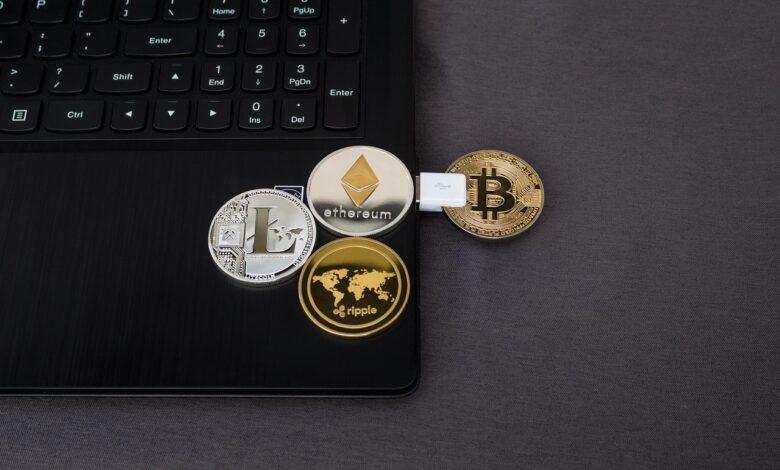
Store your cryptocurrency private keys on a hardware wallet. This single action isolates your keys from internet-connected devices, providing a physical barrier against remote attacks. A hardware wallet represents the most secure method for holding significant amounts of digital value, as transaction signing occurs within the device itself; your keys never touch vulnerable computer memory or software. Treat this device with the same level of security as you would a physical safe containing gold bullion.
This manual offers a complete overview of blockchain security, moving beyond basic wallet selection. We analyse the anatomy of an attack, from phishing schemes targeting exchange accounts to malware designed to swap wallet addresses in your clipboard. The 2022 Mt. Gox collapse and the more recent FTX failure were not just exchange bankruptcies; they were massive failures of asset protection, highlighting the non-negotiable principle of self-custody. Your security is your responsibility.
Our guide provides a comprehensive framework for building a multi-layered defence. We will detail the configuration of a multi-signature wallet, requiring multiple private keys to authorise a transaction, and the establishment of a secure, encrypted backup for your seed phrase–the master key to your digital wealth. This is not a list of suggestions; it is a definitive security protocol for the long-term preservation of your cryptocurrency assets.
Choosing a Hardware Wallet
Select a hardware wallet from a manufacturer that provides a complete, open-source security audit for both its hardware and software. Brands like Ledger and Trezor publish these comprehensive reports, allowing for independent verification of their security claims. This transparency is a non-negotiable foundation for the protection of your private keys.
The definitive advantage of a hardware wallet is its creation of an isolated environment. Your private keys are generated and stored on the device itself, never touching your internet-connected computer or phone. This physical separation between your keys and the online world is the most effective barrier against remote attacks, malware, and phishing attempts.
Treat the recovery seed phrase as the primary asset, not the hardware device. This manual of 12 to 24 words is the master key to your entire cryptocurrency portfolio. Write it on the supplied card with a permanent pen, store it in a fireproof safe, and never digitise it–no photos, cloud storage, or text files. The safety of your digital wealth hinges entirely on the offline preservation of this phrase.
For a comprehensive storage solution, pair your hardware wallet with a passphrase–a custom word you add to your seed. This creates a hidden wallet, adding a crucial layer of security. Even with physical access to your seed phrase, a thief cannot access the funds in this hidden account without the additional passphrase, transforming good protection into a best-in-class security setup.
Creating Strong Passphrases
Generate a passphrase of at least six random words, creating a string of 20+ characters. This method, popularised by the ‘correct horse battery staple’ XKCD comic, leverages entropy far more effectively than a complex, shorter password. A 4-word random passphrase offers 44 bits of entropy, making it computationally infeasible to crack through brute force, whereas a typical 10-character complex password might only have around 40 bits. For your cryptocurrency wallet, a 6-8 word passphrase is the minimum.
The Anatomy of a True Passphrase
A genuine passphrase uses a sequence of completely unconnected words, like ‘tangible-blanket-gossip-avalanche-guitar-pendant’. Avoid common phrases, song lyrics, or any logical sequence. The words must be chosen randomly using a trusted method, such as the EFF’s large wordlist or a reputable password manager’s generator. This randomness is the core of its strength, transforming your private key storage from a single point of failure into a formidable barrier.
Practical Application and Storage
Treat your passphrase with the same level of security as your hardware wallet’s recovery seed. It should never be stored digitally–no cloud notes, emails, or text files. Write it on archival-quality paper or stamp it into metal, storing it separately from your other security credentials. This passphrase acts as an additional factor of authentication; even if someone gains physical access to your hardware wallet, your digital assets remain protected behind this linguistic key.
This approach provides a definitive layer of protection for your blockchain-based asset safety. It is a best practice outlined in any complete security handbook, forming a critical part of a comprehensive manual for private key management. The security of your cryptocurrency holdings depends on this robust, layered defence.
Verifying Transaction Details
Treat every transaction address as a single-use item. Manually check the first four and last four characters of the recipient’s wallet address in your sending interface against the address you provided. A single mismatched character means your cryptocurrency is irretrievable. This manual check is your primary defence against clipboard hijacking malware.
Before signing, scrutinise the network fee and the total asset value being sent. A fee that seems abnormally high for the network’s current congestion can be a red flag. Your wallet should provide a comprehensive overview of the transaction’s inputs and outputs on the blockchain before you approve it. This data is the final confirmation before your private keys authorise the movement of your digital property.
The Final Check: Before You Sign
Never approve a transaction from a push notification or email link. Always initiate the transfer yourself within your secured wallet application. This practice ensures you are interacting with the genuine application and not a phishing replica designed to steal your private keys. Consider this step the non-negotiable final page in your safety handbook.
For large transfers, conduct a small test transaction first. Send a minimal amount to the destination address and confirm its complete arrival and visibility in the target wallet. This verifies the address is correct and that you have selected the appropriate blockchain network, a common and costly error. This method provides concrete proof that your transaction details are accurate, offering protection beyond simple visual checks.