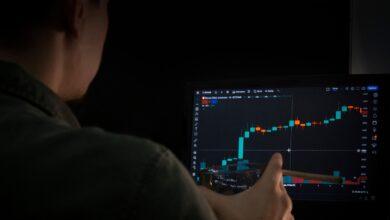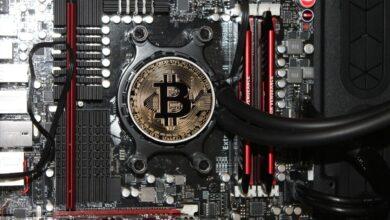
For 2025, the most profitable cryptocurrency to mine with a graphics card is likely Ravencoin. Its KawPow algorithm remains specifically designed to resist ASIC dominance, preserving a competitive space for GPU hardware. While its network difficulty fluctuates, the potential for RVN to appreciate, combined with its established position in the mining for altcoins sector, makes it a primary target for the next year. Your mining profitability will hinge on securing hardware with strong memory bandwidth, not just raw processing power.
Ethereum’s move to Proof-of-Stake permanently altered the mining landscape, forcing a mass exodus of graphics power towards other protocols. This migration flooded networks, compressing margins and making power efficiency the single most critical factor for a profitable operation. The best GPU mining rig in 2025 won’t be the one with the most cards, but the one that maximises hash rate per watt. This shift demands a data-driven analysis of each coin’s block reward, network difficulty trajectory, and power consumption on your specific hardware.
Beyond Ravencoin, a profitable 2025 strategy involves a portfolio approach to mine a basket of promising altcoins. Coins like Conflux (CFX) and Ergo (ERG) present compelling cases, each with unique consensus mechanisms that favour GPU mining. The top performers will be those that offer a balance of current block rewards and long-term project viability. My analysis suggests focusing on cards with at least 8GB of VRAM, as newer mining DAG file sizes will render smaller memory capacities obsolete, protecting your hardware investment for the next crypto cycle.
GPU Mining in 2025: The Next Generation of Profitable Coins
For 2025, Ravencoin stands out as a primary candidate for GPU mining. Its KawPow algorithm, designed to be ASIC-resistant, ensures a mining environment dominated by graphics cards. While its energy draw is higher, this creates a significant barrier for centralised mining operations, preserving profitability for individual miners with access to efficient hardware. The project’s specific use case for asset tokenisation offers a fundamental value proposition separate from the hype cycles of other altcoins.
Beyond Ravencoin, the most astute strategy involves monitoring emerging coins on the Ethereum Virtual Machine (EVM) that retain Proof-of-Work or hybrid models. These cryptocurrencies often inherit the vast developer community and potential of the Ethereum ecosystem while remaining mineable. Your research should focus on identifying these projects early, before a surge in network difficulty erodes potential earnings. Allocate a portion of your hash rate to mine such coins directly, treating it as a speculative investment in the project itself.
The ultimate factor for 2025 profitability is hardware efficiency, not raw power. A next-generation card like the NVIDIA RTX 4070, with its superior performance-per-watt ratio, will yield a better return than an older, more power-hungry GPU, even if the latter has a higher hash rate. Calculate your local electricity cost in pence per kWh; this figure is the most critical data point for your operation. The best coins to mine will be those with a market price that consistently covers your operational costs while providing a margin for reinvestment or profit.
Do not fixate on a single coin. Use mining software with auto-switching capabilities that directs your hardware to the most profitable cryptocurrency based on real-time market data and network difficulty. This approach maximises your earnings in GBP. Your rig should be mining a rotating selection of 3-5 top altcoins throughout the year, adapting to the market’s fluctuations. This data-driven method transforms your GPU from a static tool into a dynamic asset.
Mining Profitability Calculators Guide
Input your graphics card model into WhatToMine to get an instant profitability ranking for 2025. This tool uses real-time data on coin algorithms, network difficulty, and power costs to show which altcoins generate the most profit for your specific GPU. For instance, while Ethereum’s move to Proof-of-Stake reshuffled the deck, coins like Ravencoin and other KawPow-based alternatives became primary targets for GPU miners. The calculator compares these against newer, less energy-intensive options.
Key Metrics Beyond Daily Profit
Focus your analysis on these data points within any calculator:
- Power Draw: A card’s efficiency (MH/s per watt) directly impacts net earnings. A less efficient card can turn a profitable coin into a loss.
- Network Difficulty: This is the most critical variable. A low-difficulty coin today might be the most profitable to mine, but a surge in miners can erode earnings quickly.
- Block Reward & Price: Calculators project earnings based on current block rewards and cryptocurrency prices. A high reward today may halve next year.
A Practical 2025 Calculation
Let’s model a scenario for a high-end graphics card. You’d configure the calculator with:
- Your GPU: e.g., NVIDIA RTX 4080.
- Hashrate: Input its specific hashrate for algorithms like Ethash (for coins like Ethereum Classic) or Autolykos.
- Electricity Cost: A UK average of £0.24 per kWh dramatically alters the outcome compared to the US.
The result will be a ranked list. You might find that for your setup and location, a lesser-known altcoin is more profitable than Ravencoin after accounting for power. This data-driven approach prevents you from chasing past performance and guides you towards coins with sustainable mining economics for the coming year.
Regularly update your calculations. The “best” coin to mine in January 2025 likely won’t be the same by mid-year. Set calendar reminders to re-run your numbers monthly, adjusting for network growth and hardware efficiency degradation. This disciplined, analytical habit separates profitable miners from those just covering electricity costs.
Hardware Selection Criteria
Forget chasing the absolute highest hash rate; your primary metric for 2025 is electrical efficiency, measured in megahash per second per watt (MH/s/W). The post-Ethereum Merge landscape means profitability hinges on this, not raw power. My rig for 2025 is built around the NVIDIA GeForce RTX 4070. It delivers exceptional efficiency for mining altcoins like Ravencoin, often exceeding 0.30 MH/s/W on the KawPow algorithm, which keeps operational costs manageable even with volatile energy prices.
VRAM: The Unsung Hero for Next-Year Altcoins
The most profitable GPU to mine with in 2025 won’t be the one with the best specs today, but the one with sufficient Video RAM for tomorrow’s DAG files. Aim for a graphics card with a minimum of 8GB VRAM, with 12GB being the new sweet spot. This ensures your hardware can handle the increasing memory demands of cryptocurrencies like Ravencoin and other Ethereal Classic successors, future-proofing your investment for at least the next two years.
Do not purchase mining hardware without first simulating its performance on a mining profitability calculator. Input your local electricity cost in pence per kWh, then test the card against a list of the most promising altcoins. You will quickly see that a slightly older, more efficient card like the RTX 3060 Ti often provides a better return on investment than a power-hungry flagship model, making it one of the best choices for sustainable mining operations in the coming year.
Energy Cost Optimization Methods
Replace any GPU older than an Nvidia RTX 30-series or AMD RX 6000-series. The power draw difference is stark; an RTX 3080 delivers nearly 50% more hashrate on most algorithms than a GTX 1080 Ti while consuming 30% less electricity. Your hardware dictates your baseline efficiency, and running older cards above 10p per kWh erodes profitability on all but the most forgiving altcoins.
Undervolting is non-negotiable. A 20-25% power limit reduction on an RTX 3070, for instance, can slash its draw from 220W to 170W with a negligible 2-3% performance drop. This adjustment alone transforms a card’s operational cost. Pair this with a custom fan curve targeting 60-70% speed to maintain memory junction temperatures below 90°C, extending the hardware’s viable lifespan for the next year of mining.
Your choice of cryptocurrency directly impacts the power bill. While Ethereum’s move to Proof-of-Stake shifted the landscape, coins like Ravencoin (kawpow) and Ethereum Classic (etchash) remain viable but are notoriously power-intensive. For maximum efficiency, mine the most profitable coin for your specific hardware that uses a less demanding algorithm like autolykos or octopus, then auto-exchange to your preferred holding. This strategy balances direct earnings with long-term asset accumulation.
Aggregate small loads. A single 1200W rig adds ~£300 annually at 14p/kWh. Running three rigs on separate circuits is inefficient. Consolidate operations onto a single, higher-amperage circuit to minimise standing charges and benefit from bulk-rate agreements some UK energy providers offer for high-usage scenarios. Monitor this with a wall-plug power meter; software readings can underreport actual consumption by up to 8%.